|
Transforming Geospatial Textual Data into Narrative Storytelling Visualization Riuxian Ma
Final project for the MIT class
4.550/4.570
Computation Design Lab |
|
|
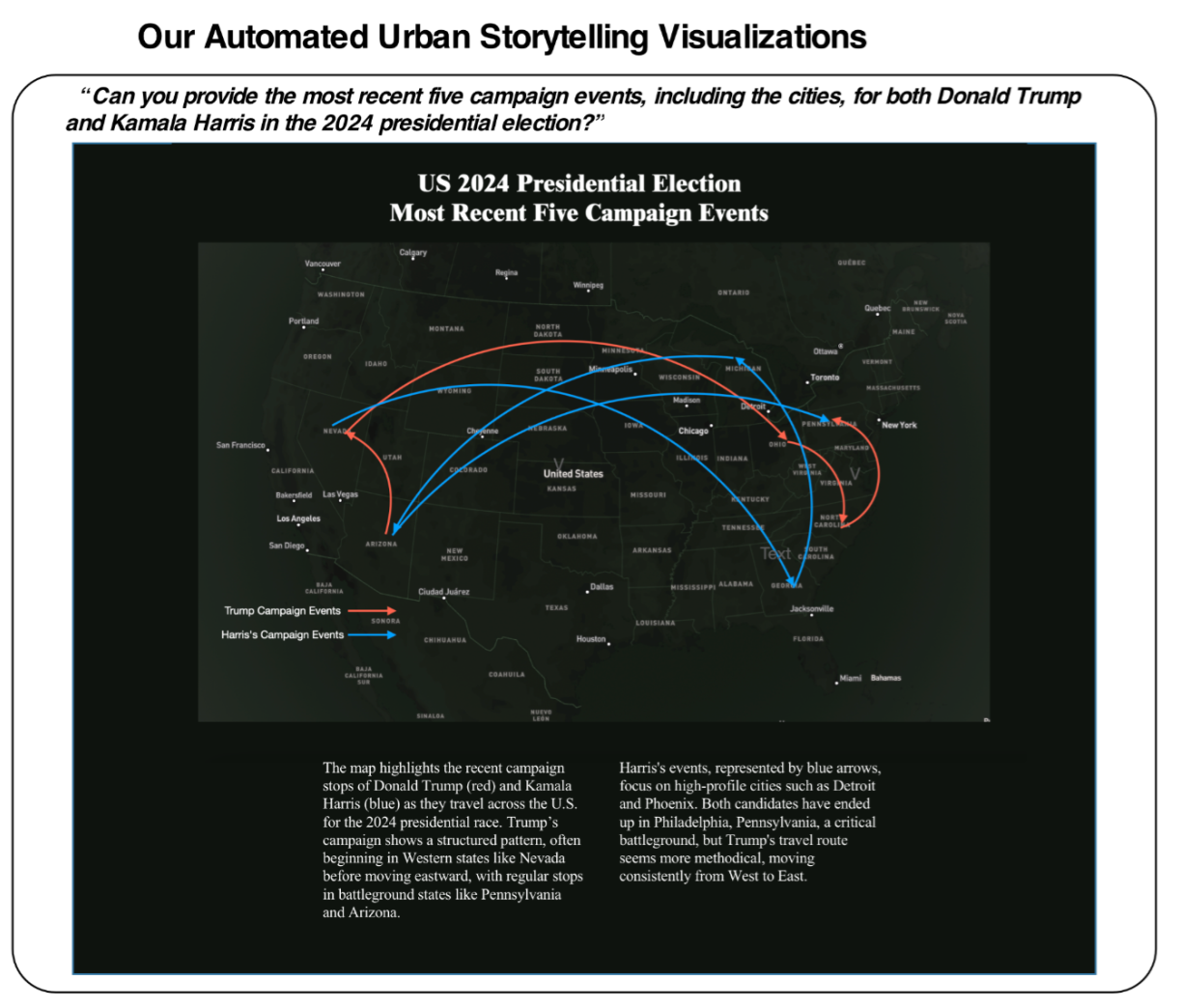
Overview This research explores how to effectively transform geospatial text data generated by LLM into meaningful visual representations. |
Research QuestionHow to effectively transform geospatial text data generated by LLM into meaningful visual representations? |
||
|
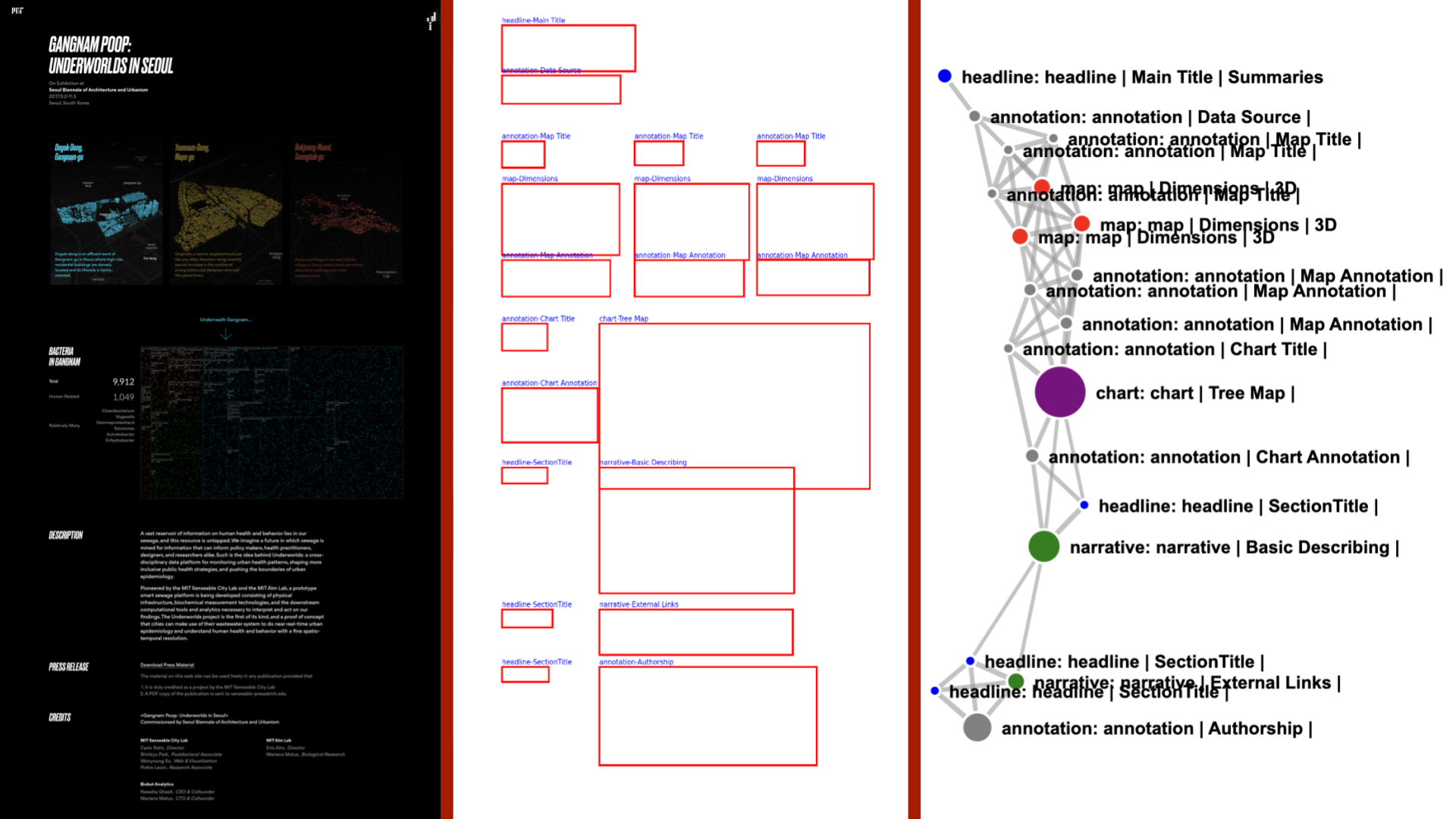
Fig 1. Information Flow Structure Example of "Gangnam Poop": Underworlds in Seoul. Grouping data and processing spatial layout. |
|
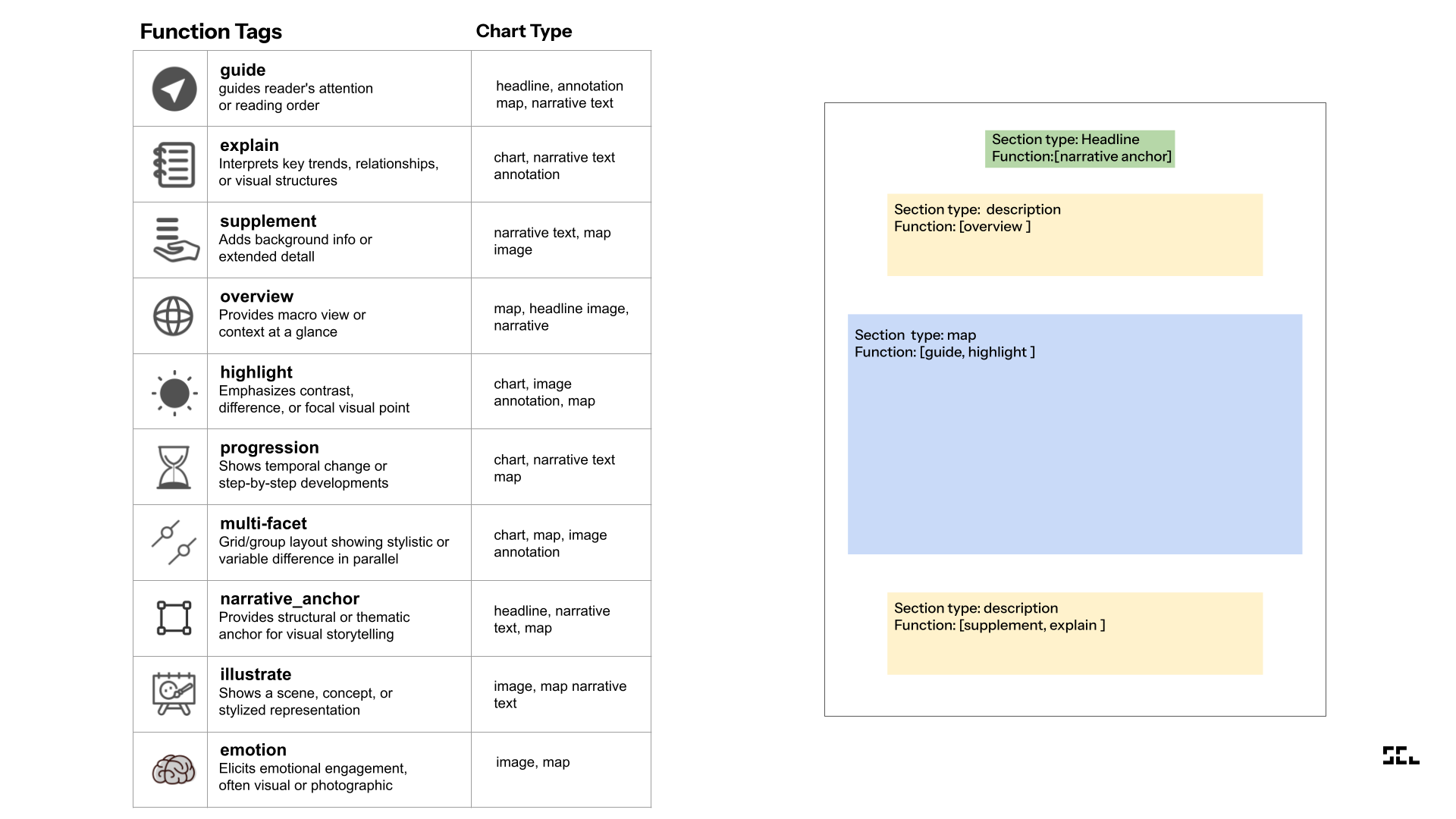
Fig 2. Function Tags and Chart Type Allignment Detailed functions and descriptions from text data are sorted into spatially salient graph areas. |
|
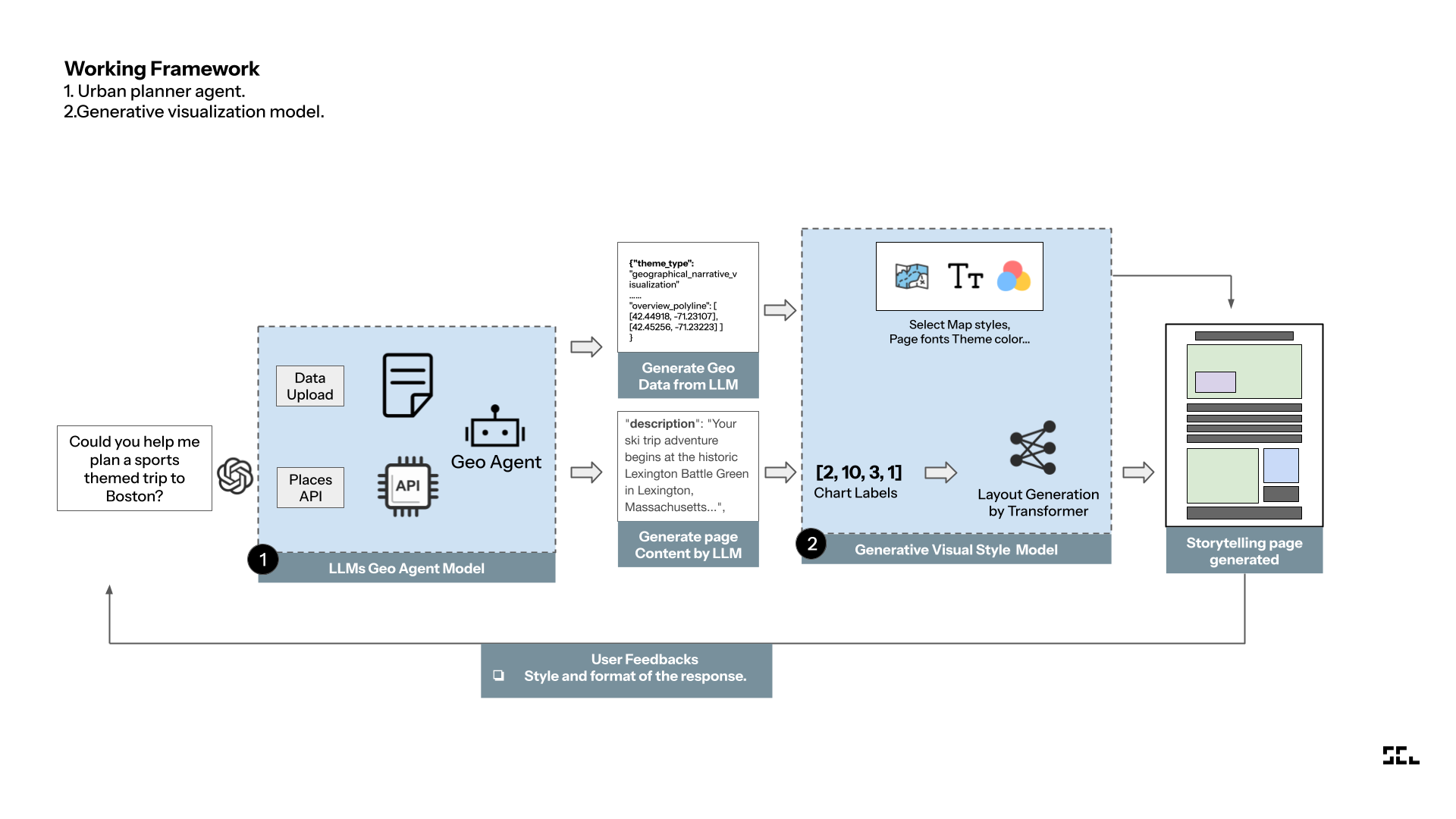
Fig 3. Working Framework A framework including an LLMs Geo Agent Model for urban planner, and a generative visualization model using transformer for layout generation. |
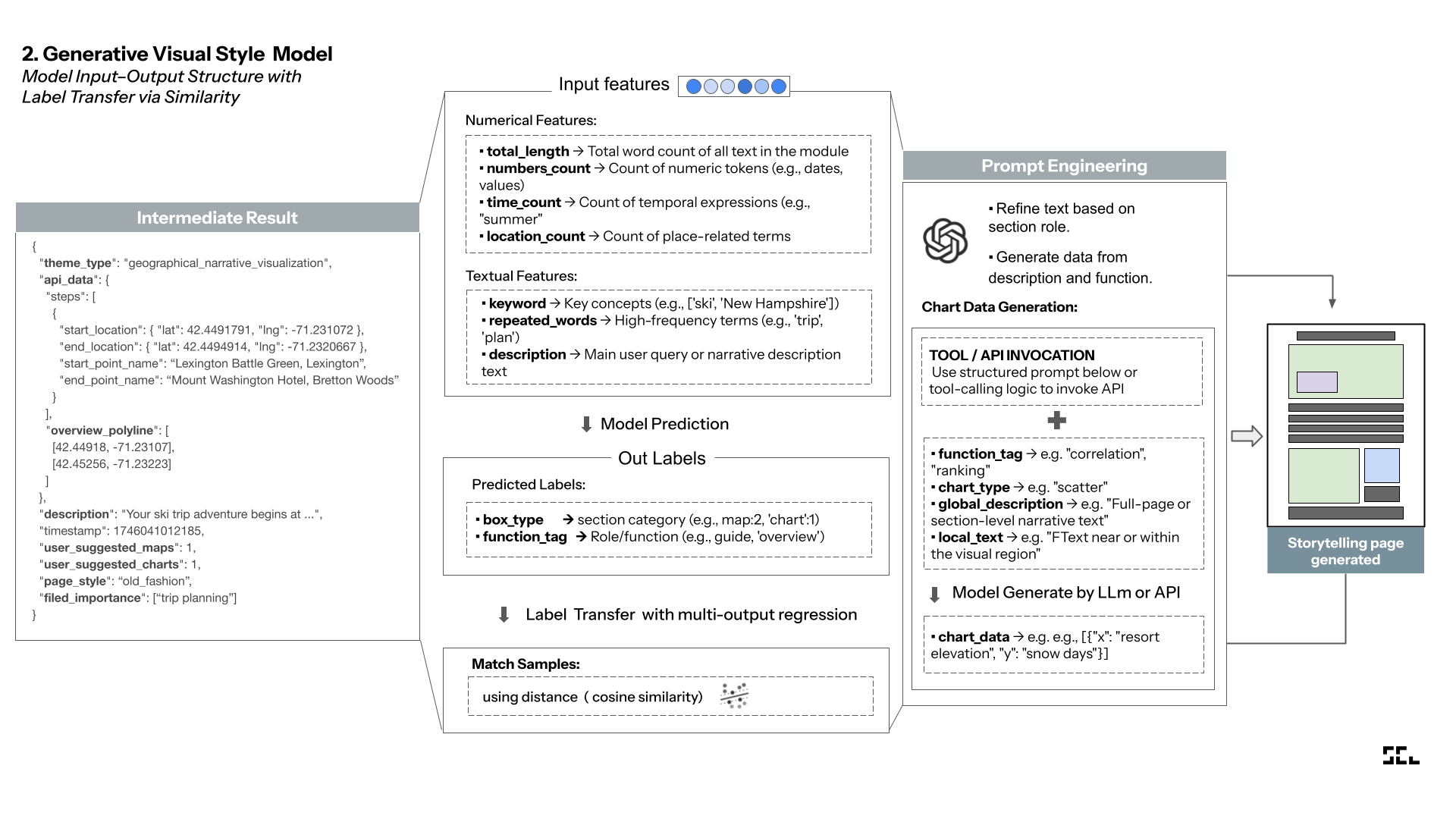
|
Fig 4. Detailed Generative Model Input-Output Structure Model input-output structure with label transfer via similarity (Click the image to enlarge for details). |
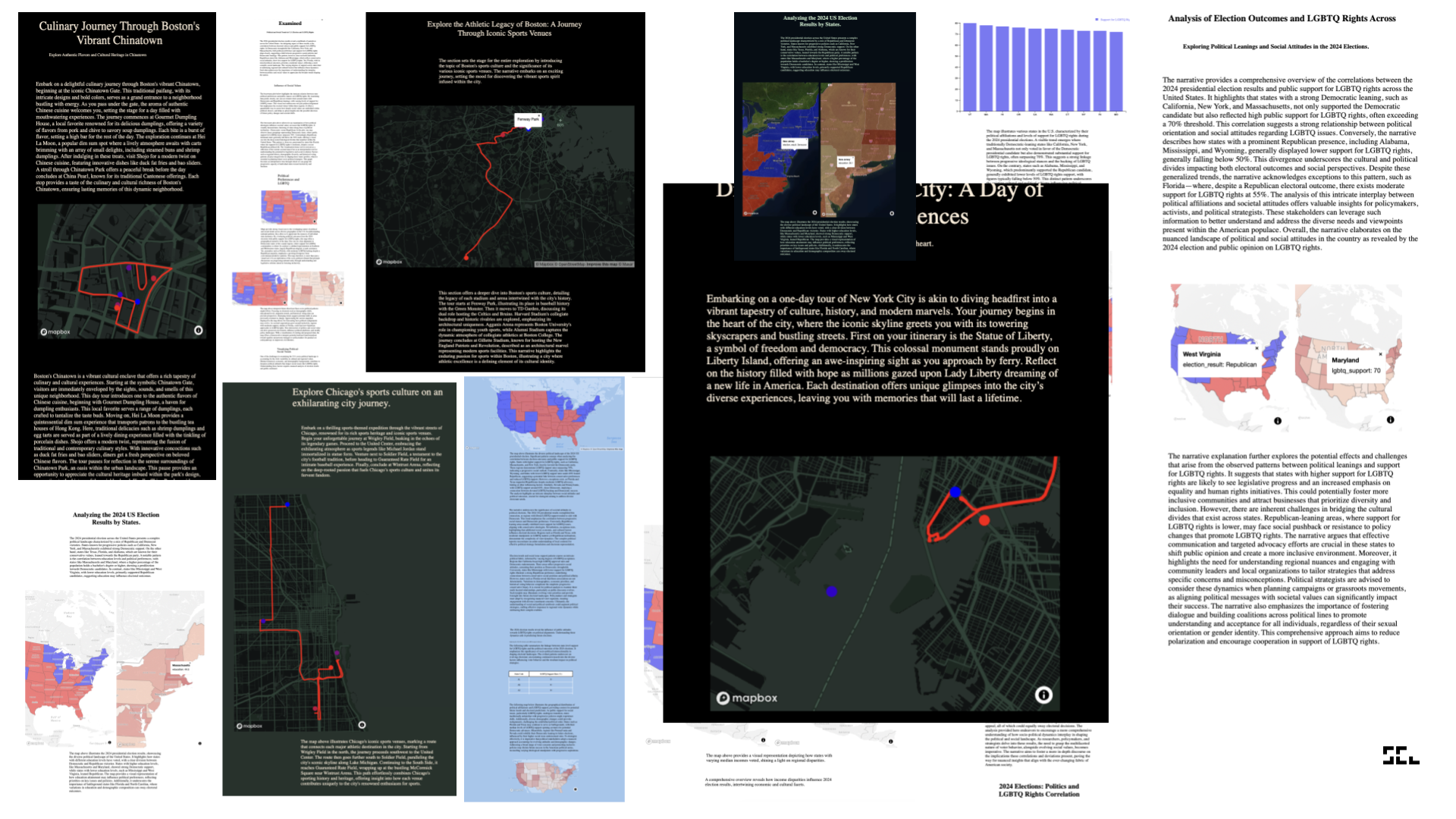
|
Fig 5. Example Visualization Priliminary visualization examples from the developed pipeline (Click the image to enlarge for details). |
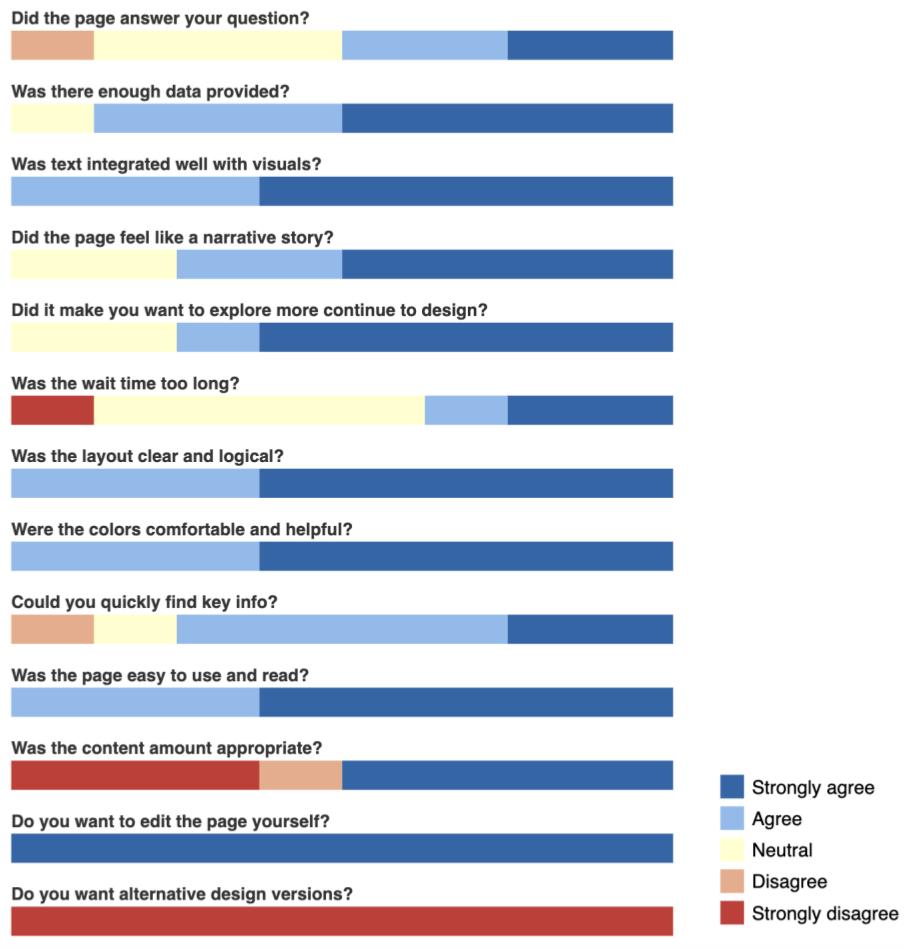
|
Fig 6. User Feedback User responses for post-experiment questionaires. |
2022 All rights reserved.